
Communities, towns, and utilities


TOWNS & COMMUNITIES


We come to the table with the technical work done.

We show up to planning board meetings with realistic interconnection plans, straight answers on battery energy storage system (BESS) safety and emergency coordination, and clear information on construction impacts and tax base.
Our ownership position keeps us involved well past commissioning. The company that answered your questions during permitting is the company operating the site.
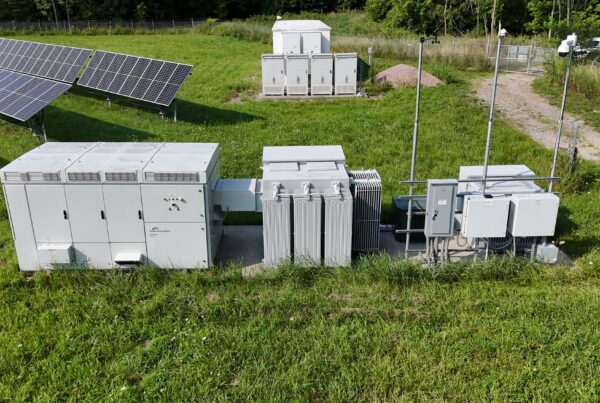
Interconnection

We don’t propose projects the grid can’t take. Interconnection feasibility comes before the application, not after. We know the utilities, the queues, and the capacity constraints in the markets where we work — and we bring that knowledge into every conversation with local officials.

Battery storage safety

Battery energy storage systems are designed and sited to meet strict fire and life-safety standards. Every project includes an emergency response plan developed in coordination with local fire departments before construction begins. We present that plan to local officials early in the process and remain available throughout the project’s life.

Construction

Construction on a typical 5 to 20 MW project runs six to twelve months. We’ll walk you through the full schedule — equipment deliveries, road use, crew access, and restoration — before work begins. A direct point of contact is available throughout for any questions or concerns.

Tax base and local revenue

Most of our projects involve a Payment in Lieu of Taxes agreement negotiated with the municipality. PILOTs provide predictable, long-term revenue to local governments and school districts. We’ll explain the structure and the numbers specific to your jurisdiction.

After commissioning

We hold an ownership position in the projects we build. The company that answered your questions during permitting is the company operating the site — not a third-party operator who came in after the sale.

Frequently Asked Questions

How do we know you'll still be around in ten years?

Aurora takes an ownership position in the projects we build and is financially backed by Apricus Generation. We’re not a development shop that builds and exits.

What is a PILOT and how does it benefit the town?

A Payment in Lieu of Taxes is a negotiated agreement between the project and the municipality. Instead of standard property tax assessment, the town receives fixed, predictable annual payments for the life of the project — typically 25 to 40 years.

Is battery storage safe?

BESS projects are subject to strict fire and life-safety codes. Every Aurora storage project includes an emergency response plan developed with local fire departments, fire suppression systems, and continuous monitoring. We present all of this to planning boards and first responders before construction.

What happens during construction?

We share a full construction schedule with the town before work begins, equipment deliveries, road use, working hours, and restoration plans. A direct point of contact is available throughout.

What happens at the end of the project's life?

Decommissioning is our obligation. We remove all equipment and restore the land. That commitment is written into the lease and backed by a decommissioning plan filed with the municipality.

How do we reach you after the project is built?

We maintain a direct point of contact for every operating project. You’re not calling a 1-800 number.

UTILITIES


We don’t propose projects the grid can’t take.
Interconnection feasibility comes before the application, not after. We study grid conditions, understand queue dynamics, and develop technically and commercially viable connection strategies before we commit to a site or a landowner.
Finding capacity where others can’t is central to what we do. We know the utilities and the processes in the Northeast and Midwest markets where we work, and we bring that knowledge into every project from the start.

How we approach interconnection
We conduct feasibility analysis before filing applications. We understand the difference between available capacity and accessible capacity — and we don’t waste anyone’s time on projects that won’t clear the queue.
We manage the full process: application, feasibility study, system impact study, facilities study, and agreement execution — staying in direct communication with utility staff throughout.

What we develop
Distributed solar and battery storage, 5 to 20 MW AC, on the distribution system. Standalone storage and solar-plus-storage configurations matched to grid conditions and market requirements.

What markets do you operate in?

The Northeast and Midwest. We work primarily on the distribution system in markets where we have direct experience with local utilities and their interconnection processes.

How do you approach the interconnection queue?

We study grid conditions and queue dynamics before filing applications. We identify where capacity is realistically accessible — not just technically available — and size and site projects accordingly.

Do you work directly with utility engineering staff?

Yes. We manage the full study process and maintain direct working relationships with utility interconnection teams in our core markets.

What project sizes do you typically interconnect?

5 to 20 MW AC on the distribution system. We focus on distributed generation.

Can you evaluate a specific interconnection point?

Yes. If you have a site or a capacity question, start a conversation with us.


Connecting Power, People, Planet

+1 (234) 567-8910
conatact@loremipsum

ADDRESS
ADDRESS
ADDRESS